Second to None Service in Southwest Florida

HOA Requirements: Navigating Community Guidelines for Garage Door Replacement
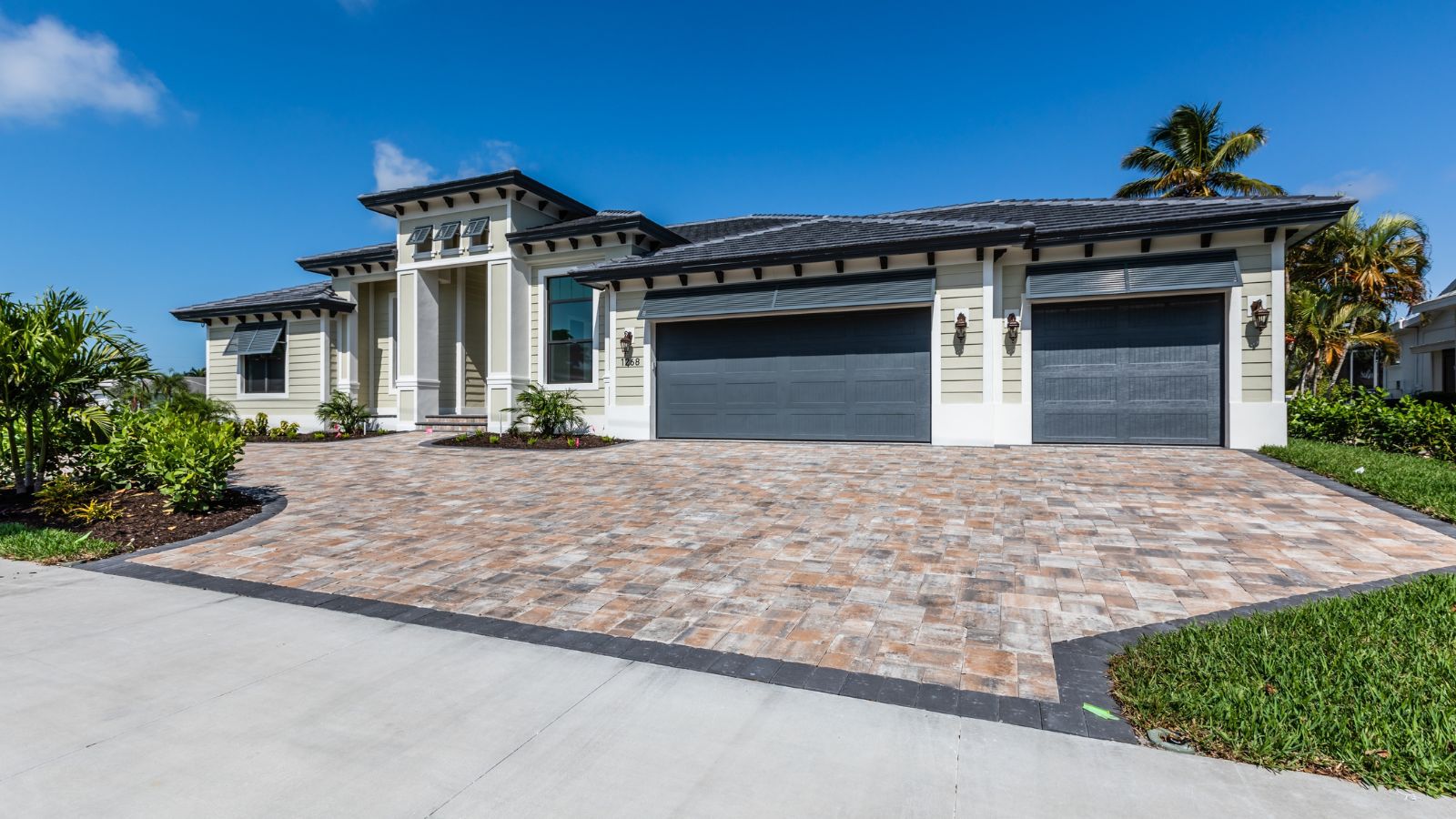
Replacing a garage door in a community with a homeowners association (HOA) involves more than just choosing a new design. Many HOA guidelines for garage door replacement include specific rules about appearance, size, and color to keep the neighborhood uniform and well-maintained. These rules vary widely, so understanding them is essential before starting any work.
Homeowners must review their HOA rules and get approval before replacing a garage door to avoid fines or having to redo the project. Ignoring these rules can lead to conflicts with the HOA board and unnecessary delays. Knowing what the community expects saves time and ensures the project goes smoothly.
The rules often cover details such as acceptable materials, door style, and approved color palettes. Following these requirements helps maintain property values and keeps the neighborhood’s style consistent. Homeowners who learn the HOA guidelines for garage door replacement early can make informed choices and avoid surprises.
HOA Requirements: Navigating Community Guidelines for Garage Door Replacement
Understanding HOA Garage Door Guidelines
HOAs set rules to keep the neighborhood looking consistent and attractive. These rules define what materials, designs, and colors are acceptable and how local building codes interact with HOA standards.
Common Design and Material Standards
HOAs often require garage doors to match the architectural style of the community. This means property owners may need to choose specific panel designs, window placements, or raised features.
Approved materials typically include steel, wood, or fiberglass. Less durable or inexpensive materials may not meet HOA standards. The goal is to ensure all garage doors maintain a clean and cohesive appearance over time.
Before ordering a door, residents should confirm whether their HOA requires certain features such as carriage-style designs or plain doors without decorative hardware. Following these rules prevents unnecessary rework or replacement.
Color and Finish Restrictions
Many HOAs limit garage door colors to those that match the community’s palette. Neutral tones such as white, beige, gray, or earth tones are common. Bright or unusual colors are often prohibited.
Finish quality also matters. HOAs frequently require a specific type of paint or stain finish such as matte, gloss, or semi-gloss to maintain a uniform look across all properties.
Homeowners must receive approval before changing a garage door color or finish. This ensures the door meets community standards outlined in the covenants, conditions, and restrictions (CC&Rs) and prevents mismatched appearances that can reduce curb appeal.
Impact of Local Building Codes
HOA rules work in addition to local building codes. Residents must follow both sets of regulations when replacing a garage door.
Local codes often set standards for size, safety features, and energy efficiency. For example, some municipalities require insulated doors or those with automatic safety sensors.
HOAs may also require proof of code compliance before approving an installation. Meeting both HOA and local code standards ensures safety, legality, and long-term value.
Navigating the HOA Approval Process
Homeowners must follow a defined process to receive HOA approval for a garage door replacement. This includes preparing documentation, following review timelines, and responding appropriately to revision requests.
Preparing Documentation for Submission
Start by collecting all required documents before submitting an application. This usually includes photographs of the current door, images or drawings of the proposed replacement, and information about the materials, colors, and dimensions.
Most HOAs require a completed application form from the Architectural Review Committee (ARC). Homeowners should review the HOA’s governing documents to confirm any specific submission requirements. Including brochures or manufacturer specifications can help speed up approval.
Submitting a complete and organized package reduces the likelihood of delays or rejections.
Timeline for Review and Approval
After submission, the HOA or ARC typically has a set period to review the request, often around 30 days. This varies depending on the community’s rules and the complexity of the project.
During the review, the committee ensures that the proposed design, materials, and color comply with HOA standards. If the request meets all criteria, approval is granted within the designated timeframe.
Homeowners should track the timeline and follow up if no response is received. Keeping copies of all communications provides documentation in case of disputes.
Dealing With Rejection or Revision Requests
If the HOA denies the request or asks for changes, homeowners should review the feedback carefully. Reasons for rejection may include noncompliant color choices, conflicting styles, or material concerns.
Addressing each issue clearly in a revised submission can speed up approval. If there is uncertainty, homeowners should contact the ARC directly for clarification. Staying cooperative and patient helps the process move forward efficiently. Appeals are possible but should be based on clear evidence of compliance.
Selecting a Compliant Garage Door Replacement
Replacing a garage door in an HOA community requires following detailed rules about design, color, size, and installation. Adhering to these ensures the door complements the neighborhood’s appearance and avoids penalties.
Choosing Approved Styles and Manufacturers
Many HOAs maintain a list of approved door styles, colors, and materials to preserve neighborhood consistency. Homeowners should confirm if the HOA provides recommended manufacturers or models.
Neutral shades such as white, beige, or gray are commonly approved, while bold colors typically require additional review. Popular styles include raised panel, carriage house, and traditional designs, depending on the community’s aesthetic.
Always compare available options with the HOA’s standards before purchasing. Installing a noncompliant door can result in fines or mandatory replacement.
Working With Licensed Contractors
Most HOAs require homeowners to hire licensed and insured contractors. Qualified contractors understand HOA regulations and can ensure the installation meets both association and code requirements.
A licensed contractor can also handle permits, inspections, and documentation. Homeowners should confirm that their contractor has prior experience with HOA projects and is familiar with the specific neighborhood’s guidelines.
Clear communication before starting the job prevents misunderstandings and helps guarantee compliance.
Final Inspection and Compliance Confirmation
After installation, many HOAs conduct a final inspection to verify that the new door meets all approved criteria. This inspection typically checks color, style, material, and size.
Homeowners should keep records such as approval letters, receipts, and correspondence. These documents serve as proof of compliance if questions arise later.
If the door fails inspection, the homeowner may need to correct the issue promptly. Maintaining compliance protects property value and ensures continued good standing within the community.
Empire Garage Doors of Naples
Don’t let garage door issues disrupt your daily life. Contact us to restore your garage door’s functionality and enhance your home’s curb appeal and security.
Empire Garage Doors offers a wide range of hurricane-impact-rated garage doors to meet every customer’s needs. Our doors are built with the highest quality standards, exceptional style, and are made right here in the USA. Being a local family-run company with our expert technical knowledge and exceptional customer service, you can trust Empire Garage Doors to deliver superior products and service.